


FSC Verified Impact: Brynau Farm
Help the Woodland Trust to restore an Ancient Welsh Woodland at Brynau Farm, near Neath, South Wales, to improve soil health, boost biodiversity and reduce flood risk to local communities.
Restoring a Welsh woodland to manage flooding and improve soil health
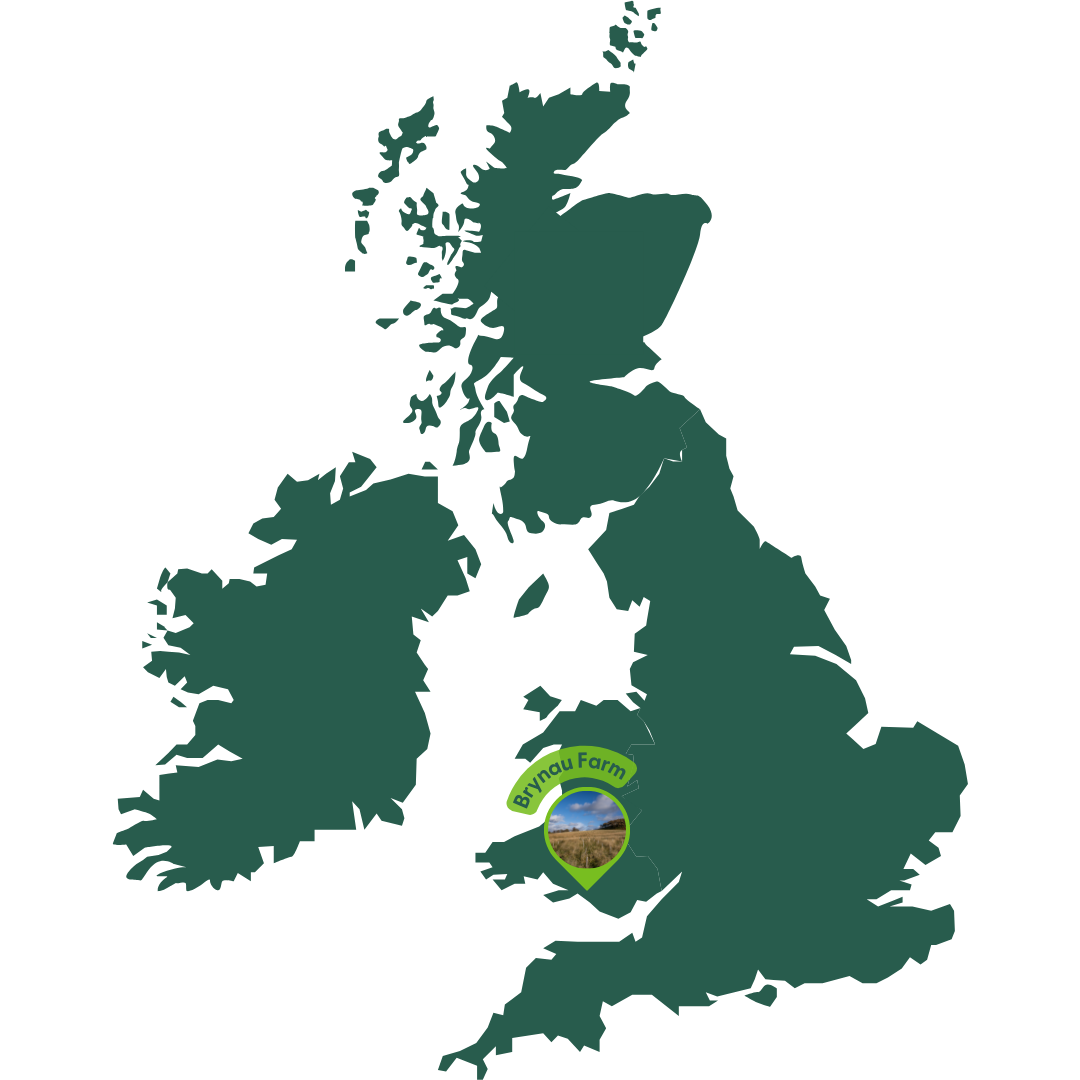
The Woodland Trust manage 700 acres at Brynau Farm, a long-forgotten ancient woodland being transformed into a thriving sanctuary for wildlife and a resilient landscape for communities in the Vale of Neath. Through tree-planting and habitat management, they are boosting biodiversity and improving water retention and soil health, which will help to reduce flood risk to local communities in one of Wales' top flood risk zones.
Alongside veteran sessile oaks and alder coppice, once-barren fields have been planted with saplings to create new woodland, forming part of the National Forest for Wales. The mix of new woodland, ancient woodland and wood pasture at Brynau will create a diverse mosaic of habitats, supporting a wide-range of species from small mammals, like voles and hares, to apex predators like barn owls, kestrels, and hobbies.
In 2025, the Woodland Trust gained FSC Verified Impact certification at Brynau Farm in recognition of the positive benefits of their restoration activities on soil health and watershed services.

Highlights of this project
- Ancient woodland conservation and 82ha of new native woodland creation.
- Habitat restoration: 20ha of peatland habitat and 40ha of heathland habitat.
- Natural flood management techniques to reduce flood risk to communities downstream.
- Improving soil health.
- Creation of a new accessible greenspace for local communities, along with opportunities for community involvement. e.g. tree planting days.
Project details
The Woodland Trust are using natural flood management to slow the flow of overland water and improve the condition of the soil, so it's better able to absorb and store water. They are doing this by creating new woodland, restoring peatland habitat, and changing the grazing regime of the site, using native Welsh white cattle instead of sheep. The cattle will help to increase the diversity of plants growing on the site, creating a more complex vegetation structure, which will also help to slow the overland water flow and reduce the risk of soil erosion.
The project is using FSC Verified Impact to monitor:
- Increase in soil organic matter through woodland creation.
- Reduction of soil erosion and compaction.
- Soil moisture content and water retention.
Sponsor this woodland restoration project
FSC Verified Impact matches businesses, financial institutions, and governments to ecosystem services projects, like this one, in FSC-certified forests to enable the forest managers to continue their vital work. As a project sponsor, Verified Impact gives you access to credible, verified data around the real-world environmental and social impact that the project is having, so you can communicate this impact to your stakeholders. Please get in touch if you are interested in supporting this project.
You also may be interested in